
Russian School of Nail Artistry
Continental Method
Ask us anything about Russian manicure: technique, nail care, our classes, or training for your team. No question is too basic, especially if you’re just starting out. Our knowledge base grows every day, and if your experience brings a question we haven’t seen yet, we’ll find the answer and add it.
Russian Manicure Knowledge Assistant
Our knowledge base grows with every question. If we don’t know the answer yet, we’ll find out for you.
You’re chatting with the Russian Manicure Knowledge Assistant, our AI assistant. Messages are stored so our team can review them and improve our answers. Privacy Policy
Nail school teaches a trade. We teach a craft.
A trade gets you licensed. A craft builds a reputation. A trade teaches you the steps; a craft teaches you why each step matters. The industry has plenty of licensed technicians. What it lacks are professionals who understand what they’re doing: who know the skin, the tools and the history of the technique, who can charge what their work is worth and back it up with results.
Many names. One technique.
Russian manicure, Continental manicure, dry manicure, waterless manicure, e-file manicure, combination manicure, “high-end prep.” They’re all the same technique, named differently depending on who taught it and who sells it. The essence doesn’t change: no soaking, an e-file and nippers, nonliving tissue removed while living skin stays untouched, and the coating placed close to the cuticle without touching the skin. That’s why the work looks clean and lasts: gel polish at least 14 days, gel overlay at least 21 days.

One tool, different paths.
The e-file arrived in America earlier, but it grew up around acrylic, with a little use for polishing. Our path started at the cuticle, with precise work right next to living tissue. Different goals, different tools. For the full story, with NAILS Magazine archives and the tools of the time, watch “Myth: E-File Manicure Is a Russian Invention”, the first episode of our E-File Manicure Myths series →
Yes, there were mistakes. We went through them first.
Because we worked next to living tissue, we had to learn early where nonliving tissue ends and living skin begins. There were mistakes, and they gave Russian manicure its reputation as “dangerous.” But it was never the technique that was dangerous; it was not understanding it. We learned from those mistakes long ago: exactly what not to do. That’s why our work is more precise today. Many who picked up this technique recently are still learning it the hard way, on their own clients.
Everyone teaches you to charge more. No one teaches you to deserve it.
If you’re here, you were searching for Russian manicure. Believe us, your clients are searching for it too. In our experience, once clients have tried the Russian technique, they look for it, and they’re ready to pay for it and nothing else. They’re also the first to see the difference. But your price doesn’t rise because you decided it should. It rises when a client looks at her hands three weeks later and thinks, “I’ve never seen anything like this. I’m not going anywhere else.” Clients who are ready to pay aren’t chasing foil and rhinestones. They’re looking for consistency, precision and the quiet confidence of a technician who knows exactly what she’s doing and why. You can’t charge for knowledge you don’t have. Once you have it, you never have to justify your price again.
Why we teach
After nearly twenty years, I no longer think about what I do at the table. I feel it. The work flows quietly, precisely, without effort. At some point you realize that what lives in your hands should travel further than one salon in Camas.
I never pushed Sonia, my daughter and now my colleague, toward this profession. She had a good job at a bank, and when she said she wanted to leave it for the salon, I said no. I knew what this industry demands. She proved me wrong. Watching her grow into this work with the same precision, the same patience and the same standard reminded me of something I had almost forgotten: nails are not just a trade. They are a craft, and done right, a craft becomes a real profession.
Irina Anderson
Your turn.
Learn with us
Work that holds. Clients who come back.
If you’re a nail tech who wants to earn more, it starts with technique. Here’s where to begin.
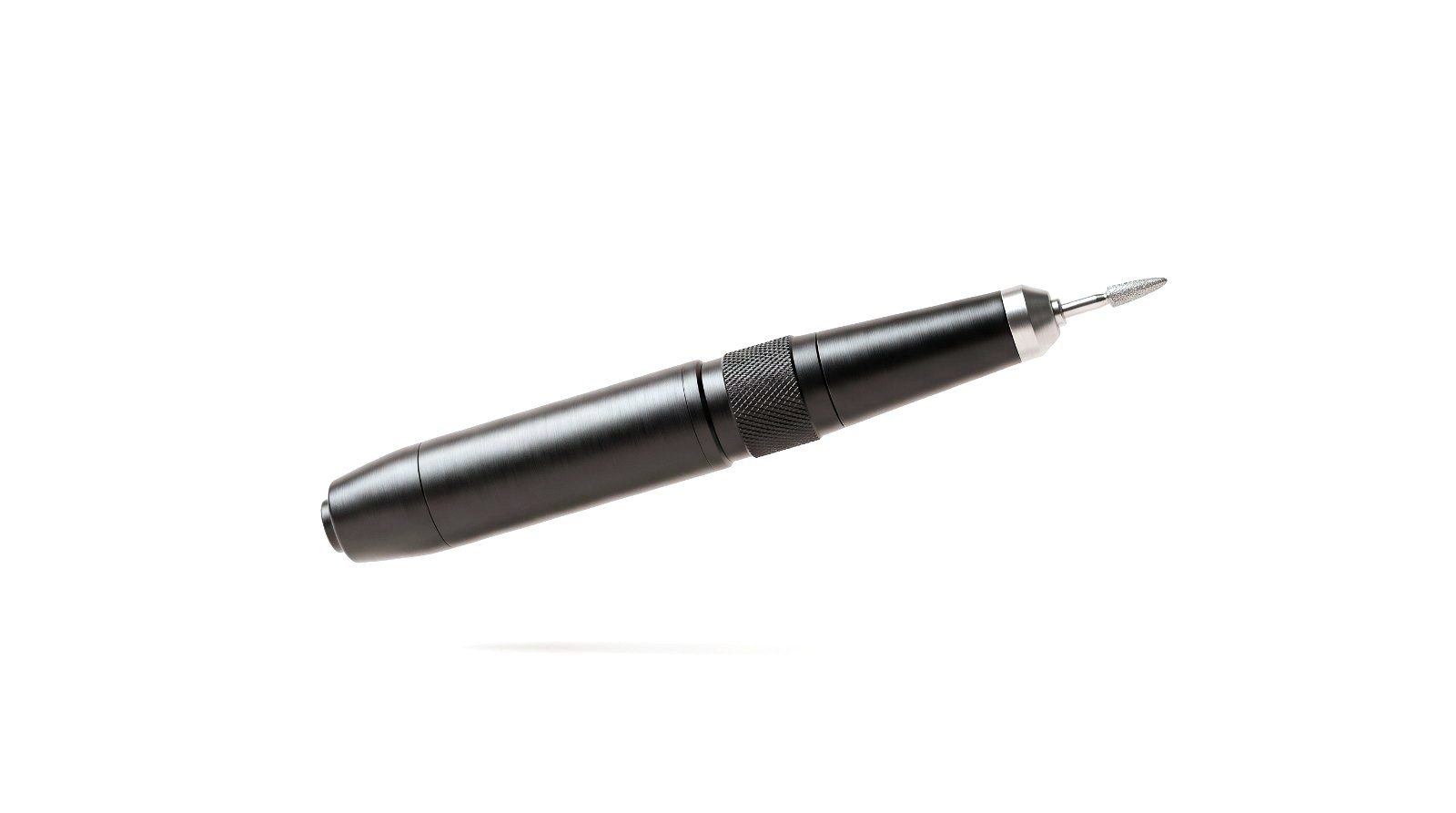
 Online workshopDry e-file pedicureOur complete pedicure, filmed from start to finish. Six months of access, at your own pace.$49Watch the workshop →
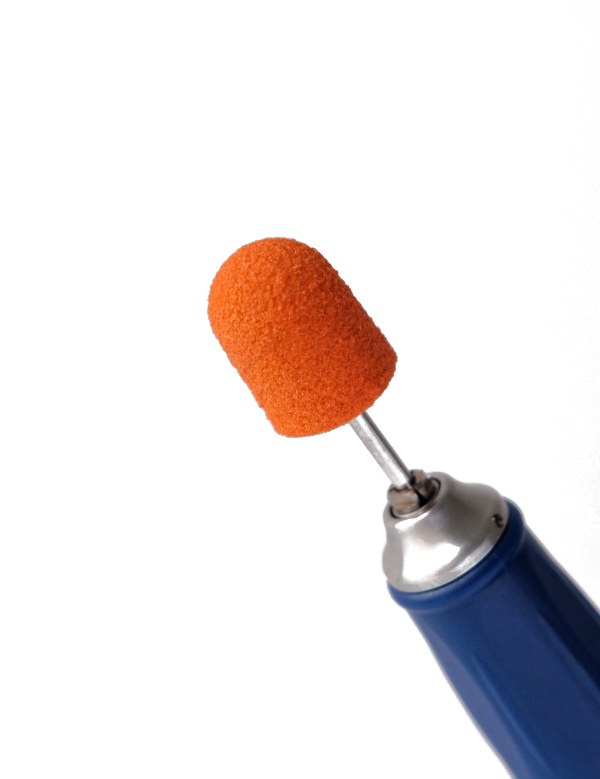
 In person · 1 dayE-file Manicure IntensiveThe core of the Russian technique in one focused day at our studio in Camas, WA. Want to go deeper? Any class can be extended.$650Dates & enrollment →
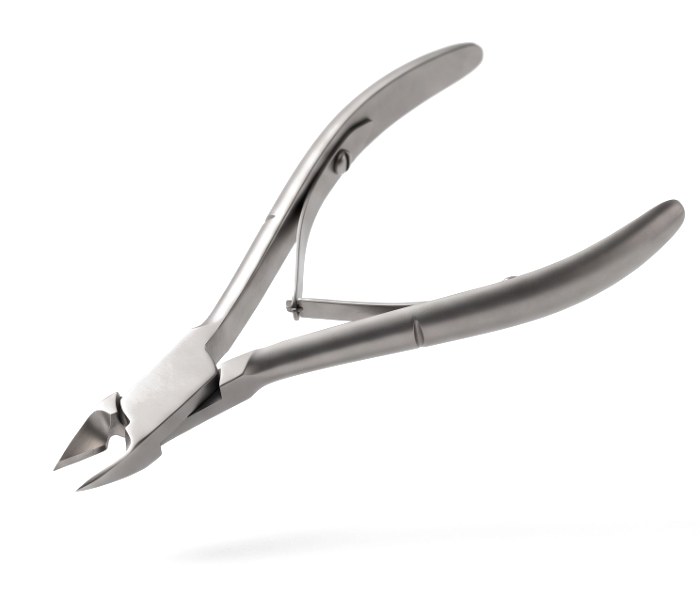
 Online · one-on-onePrivate sessionBring the problem you keep running into, whether it’s lifting, cuticle work or timing, and we’ll work through it with you live.Book a session →
 For salons & schoolsTeam trainingTraining for your whole team, at our studio or on site, in English or Russian.Tell us about your team →
What we believe
A manicure is not a trend. It is a discipline. One that was refined over 157 years — in German pharmacies, dental laboratories, and European salons — long before it had a name anyone recognized.
The standard
The injuries were never caused by the technique. They were caused by removing everything that made it safe — the foundation, the anatomy, the years of practice before anyone touched a client. We teach what was removed.
Who this is for
Not everyone. Not weekend certifications. Not those looking for a shortcut to a price point. This school is for nail professionals who want to understand the work — not just perform it.
On the name
Russian manicure. Continental manicure. Dry manicure. Waterless. E-file. High-end prep. Same technique. Different labels. One origin. We teach the thing itself.
The technique
“The technique has always existed. Only the name keeps changing.”
Nail Evolution PRO · Camas, WA